Ross Cerny
Civil mediation gives people the opportunity to resolve conflicts informally. Mediation can be an alternative to courts systems and administrative processes. Mediation programs are found in places of employment, religious organizations, governmental agencies as well as the courts, in non-profit and community centers and elsewhere. People will come to mediation to address issues within a workplace, or disputes between a customer or client and a business. Sometimes people come to mediation because there are strained relationships within a family or among neighbors.
Civil mediation is confidential and informal. As are judges in a court and arbitrators in an arbitration, mediators are neutral participants in a mediation. Unlike a lawyer, the mediator does not represent any participant in a mediation; there is no attorney-client relationship between the mediator and any party in a mediation. The mediator facilitates the conversation, assisting the participants to communicate with each other, helping them express themselves and helping reassure that they are being heard. The goal is for the participants to come to an agreement of their mutual choosing; the mediator does not dictate the outcome, rather the mediator is there to help the participants find their common ground.
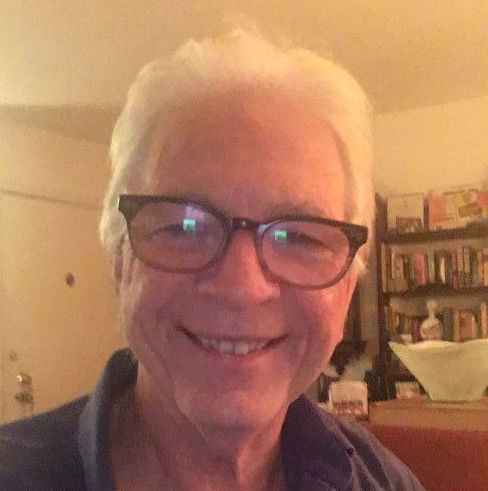
Ross Cerny has been a mediator since 2001. Through mediation, Ross has facilitated settlements of hundreds of workplace-originated claims of employment discrimination based upon race, gender, age, ethnicity, national origin, sexual orientation, religion and violations of the Americans with Disabilities Act, and sexual harassment claims, as well as the settlement of hundreds of other matters (professional liability, family decision-making, personal injuries, and commercial disputes including insurance and construction matters).